

TL;DR
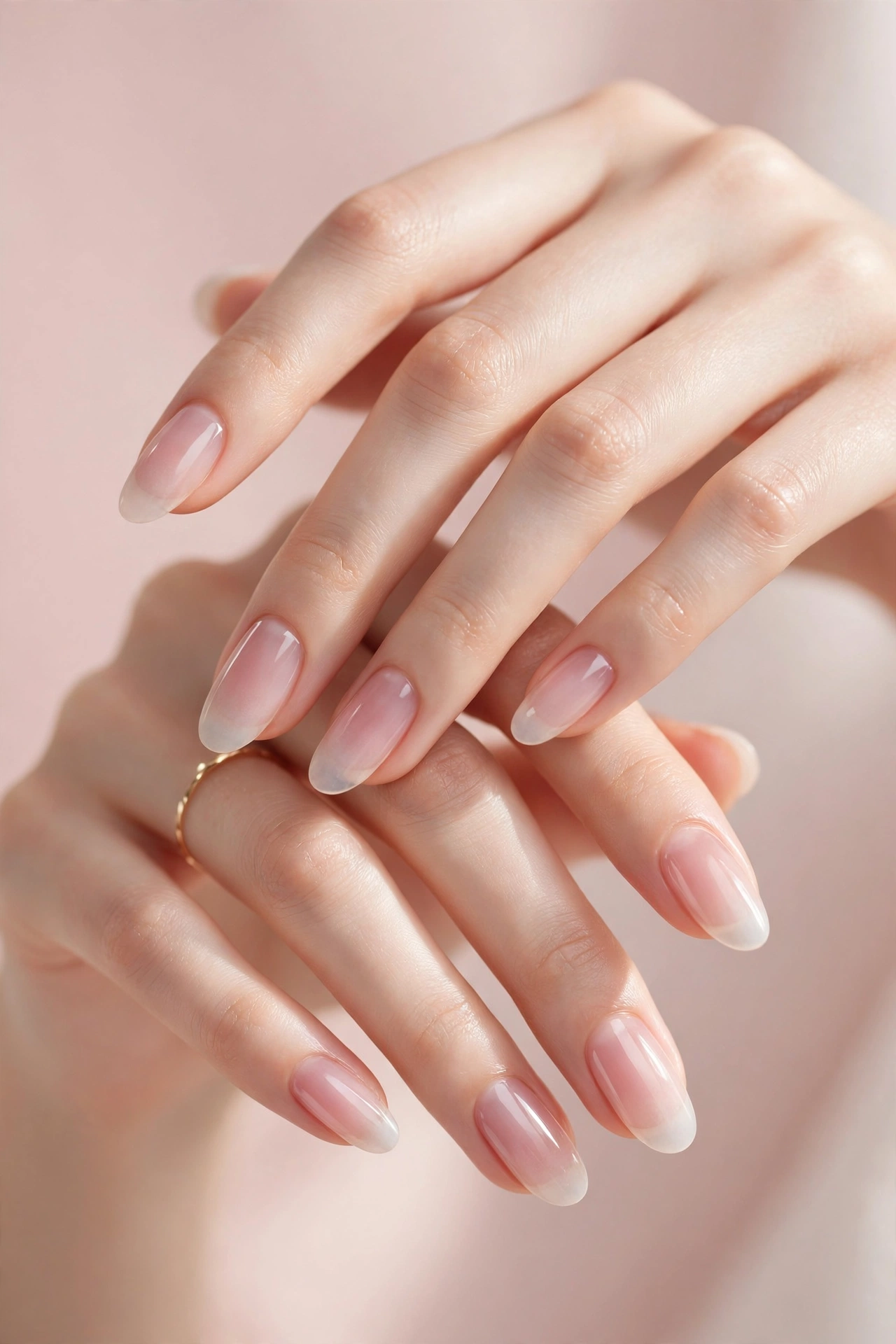
- Jelly nails are a translucent manicure: sheer, candy-like color you can see through, with a high-gloss finish.
- As of October 2026, the trend is shifting toward richer winter shades — cherry red, black cherry, cola brown — moving on from the pale pastels of earlier seasons.
- They suit every nail length, including short nails, and work beautifully in almond, oval, and squoval shapes.
- Jelly vs. glass: jelly gives sheer color with depth; glass nails are nearly clear with a mirror shine.
- Ask for jelly gel polish or a tinted builder gel at the salon; at home, jelly-finish polishes and press-ons make it easy to try.
There is a particular kind of manicure that photographs like stained glass and feels like nothing else on the nail: color you can see through. Jelly nails have been circling the beauty world for a few seasons, but as of October 2026 they have settled into something more refined — less novelty, more wardrobe staple. The candy-bright pinks of summer have given way to deeper, moodier translucency: cherry, oxblood, cola, matcha. If you have been wondering whether this is the winter manicure worth booking, this guide covers exactly what jelly nails are, where the look is coming from, how to wear them, and how they differ from the glass nails everyone keeps mentioning in the same breath.
Definition
What are jelly nails? Jelly nails are a manicure finished with translucent, buildable color — sheer enough that light passes through the nail, like looking through a piece of colored candy. The effect comes from jelly gel polish, tinted builder gel, or sheer jelly-finish lacquer, always sealed with a high-gloss top coat for that wet, syrupy shine.
Where is the jelly nails trend coming from?
Jelly nails did not appear overnight; they grew out of the broader sheer-nail movement that has been building for several seasons. The look has strong roots in Korean nail culture, where translucent, glassy finishes have long been favored over heavy opaque color — a philosophy that treats the nail as something to illuminate rather than cover. Korean and K-beauty-influenced nail artists have been refining sheer, watery finishes for years, and jelly is the most color-forward expression of that aesthetic.
As of October 2026, the conversation around jelly nails is visibly shifting toward cold-weather shades. Nail artist Nasreen Espinoza told Cosmopolitan that richer, moodier translucent shades — plums, raspberries, cherry — are the move for the colder months, noting that the jelly finish “helps soften the appearance of these deeper colors” so they look effortless and glossy rather than heavy or flat. That quote captures exactly why jelly works so well for winter: depth without weight.
Across Pinterest, jelly nail boards have been filling with winter-ready versions of the look — cranberry jelly sets paired with gold leaf for holiday dinners, black cherry jelly on short almond nails, cola-brown translucency styled with knitwear. The pattern is consistent: the finish stays the same, but the palette deepens as the temperature drops. Jelly has also become a base for other trends — many aura nail designs are built over a jelly base, and the encapsulated glitter and micro-pearl looks of the season sit beautifully suspended in translucent gel.

What is the difference between jelly nails and glass nails?
Jelly nails carry sheer, see-through color; glass nails are about clarity and mirror-like shine with almost no color. That is the simplest way to keep them straight. Jelly is candy — color suspended in translucency. Glass is a window — the nail looks almost bare, impossibly smooth, with light bouncing off a flawless glossy surface. If you are choosing between the two this winter, the question is really about what you want your nails to say: jelly adds a wash of color with depth, glass adds polish in the literal sense — pure, reflective finish. (For a full breakdown of the glass look, see our guide to glass nails, the Korean glow trend for winter 2026.)
Both finishes come from the same family — sheer, light-catching, K-beauty-influenced manicures — which is why they get confused. The table below lays out the practical differences, including where glazed donut nails fit, since that is the third finish people mix up with these two.
| Finish | What it looks like | Best for | Winter 2026 mood |
|---|---|---|---|
| Jelly | Sheer, translucent color — like tinted candy. Light passes through the nail. | Anyone who wants color with softness; deep shades look expensive, not harsh. | Cherry, black cherry, cola, matcha — rich translucency. |
| Glass | Nearly clear, ultra-smooth, mirror shine. The nail itself is the star. | Minimalists; anyone who wants the cleanest possible nail. | Barely-there with a reflective, icy finish. |
| Glazed | Milky or pearlescent sheen over color — luminous but more opaque than jelly. | Anyone who loves glow but wants more coverage than sheer finishes give. | Pearl chrome over deep bases; frosty luminosity. |
One more distinction worth making: jelly is also the foundation of several designs people love on their own. Aura nails are frequently built on a jelly base, and encapsulated details — tiny dried flowers, gold flakes, micro-glitter — are often suspended inside jelly gel. So choosing jelly does not mean choosing plain; it means choosing a finish that plays well with decoration.
What are the best jelly nail colors for winter 2026?
The strongest jelly shades for winter 2026 are cherry red, black cherry, milky nude, matcha green, and cola brown. These five cover every winter mood — from festive to office-quiet — and each one behaves differently in translucent form. Deep colors become softer and more wearable as jellies; pale colors gain a luminous, lit-from-within quality. Here is how to choose among them.
Cherry red jelly
If you wear one jelly shade this winter, make it cherry. Translucent cherry red is the defining jelly color of the season — juicy, festive without trying too hard, and flattering against winter palettes of black, camel, cream, and gray. On an almond or oval shape it reads classic; on a shorter nail it reads modern. Two thin coats give a true candy red; a third deepens it toward stained-glass richness. This is also the shade to choose if you want your manicure to do the talking at holiday gatherings.
Black cherry jelly
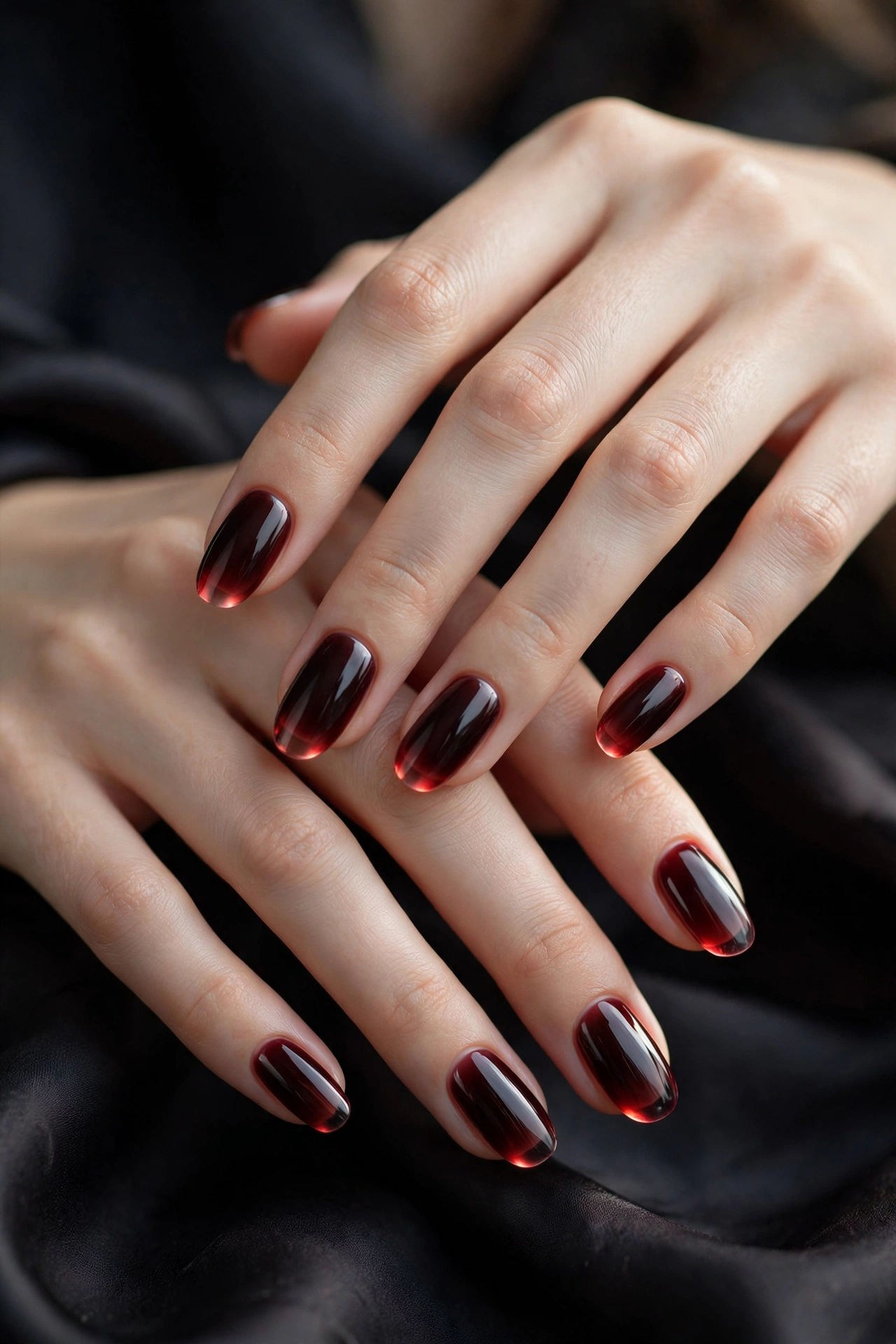
Black cherry is cherry’s moodier sibling — oxblood so deep it borders on black, but the jelly finish keeps it from ever looking flat or goth-for-goth’s-sake. Light catches the translucent tips and reveals the red hiding inside, which is what makes this shade feel expensive rather than severe. It pairs beautifully with gold jewelry and dark winter fabrics: think black turtlenecks, espresso leather, plum silk. Our chocolate brown nails trend guide covers the same dark-romantic territory if you want to compare the two moods.
Milky nude jelly
Milky nude jelly is the quiet luxury option: sheer ivory-beige that makes nails look healthy, even, and naturally luminous. It is the best jelly shade for conservative offices, bridal parties, and anyone who wants the trend without the color commitment. The translucency is the whole point here — it evens out the nail bed the way a tinted moisturizer evens out skin. Choose a shade close to your natural nail bed for the most seamless effect, or one step warmer for a healthy glow.

Matcha jelly
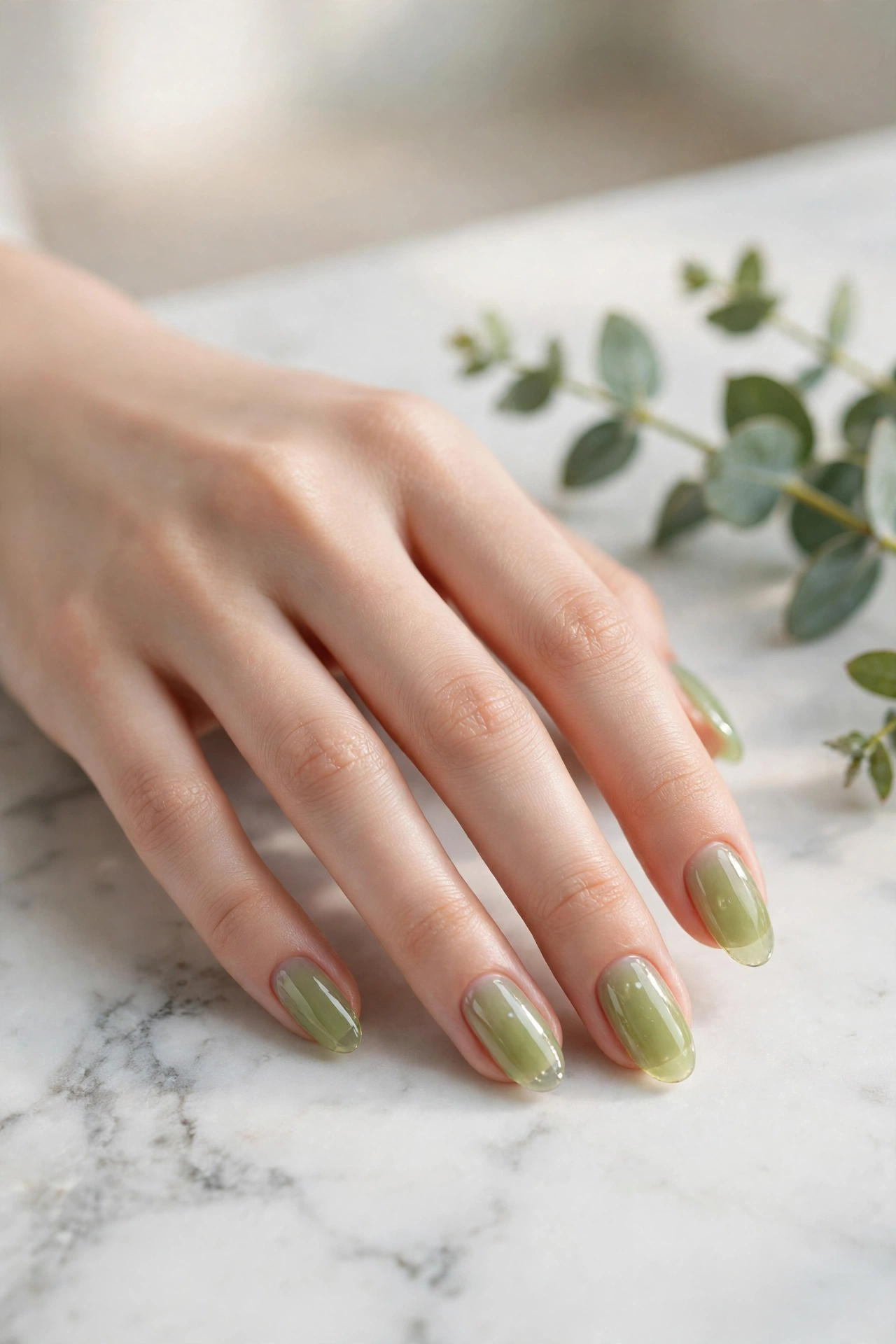
Matcha — a soft, milky pistachio green — is the fashion-forward jelly shade of the season. It sounds adventurous, but in translucent form it is surprisingly wearable: the sheerness keeps it from shouting, and the green reads fresh against winter neutrals. Matcha jelly looks particularly striking on medium skin tones and pairs well with gold, cream, and camel. If you have been curious about green nails but found opaque greens too bold, jelly is your entry point.
Cola jelly
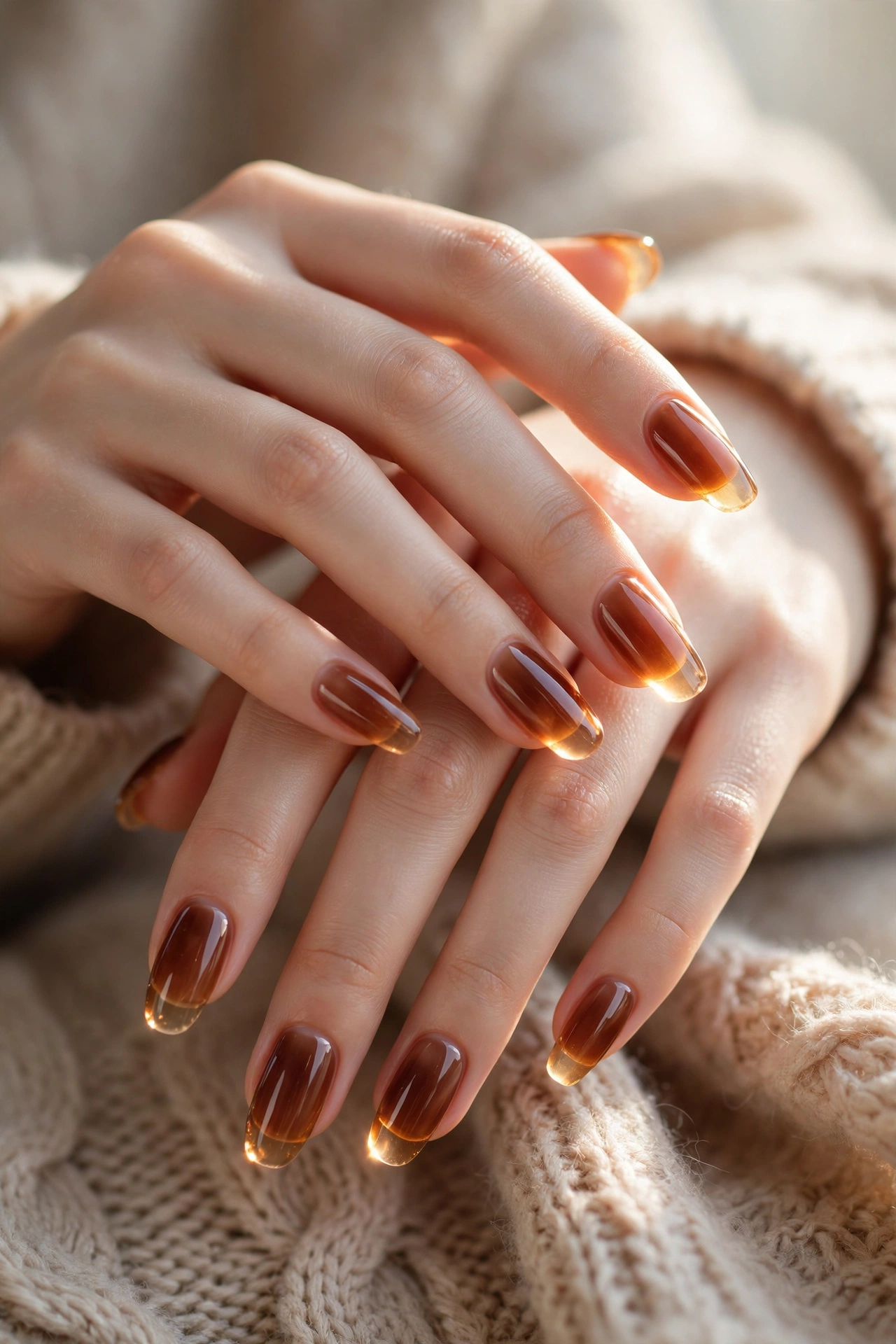
Cola jelly is winter comfort in manicure form: warm caramel-brown translucency that glows like its namesake in sunlight. It sits right at the intersection of two winter trends — brown nails and sheer finishes — and it flatters nearly every skin tone because the warmth reads natural. Wear it with knitwear, suede, and tortoiseshell accessories for a fully coordinated cold-weather look.
Do jelly nails work on short nails?
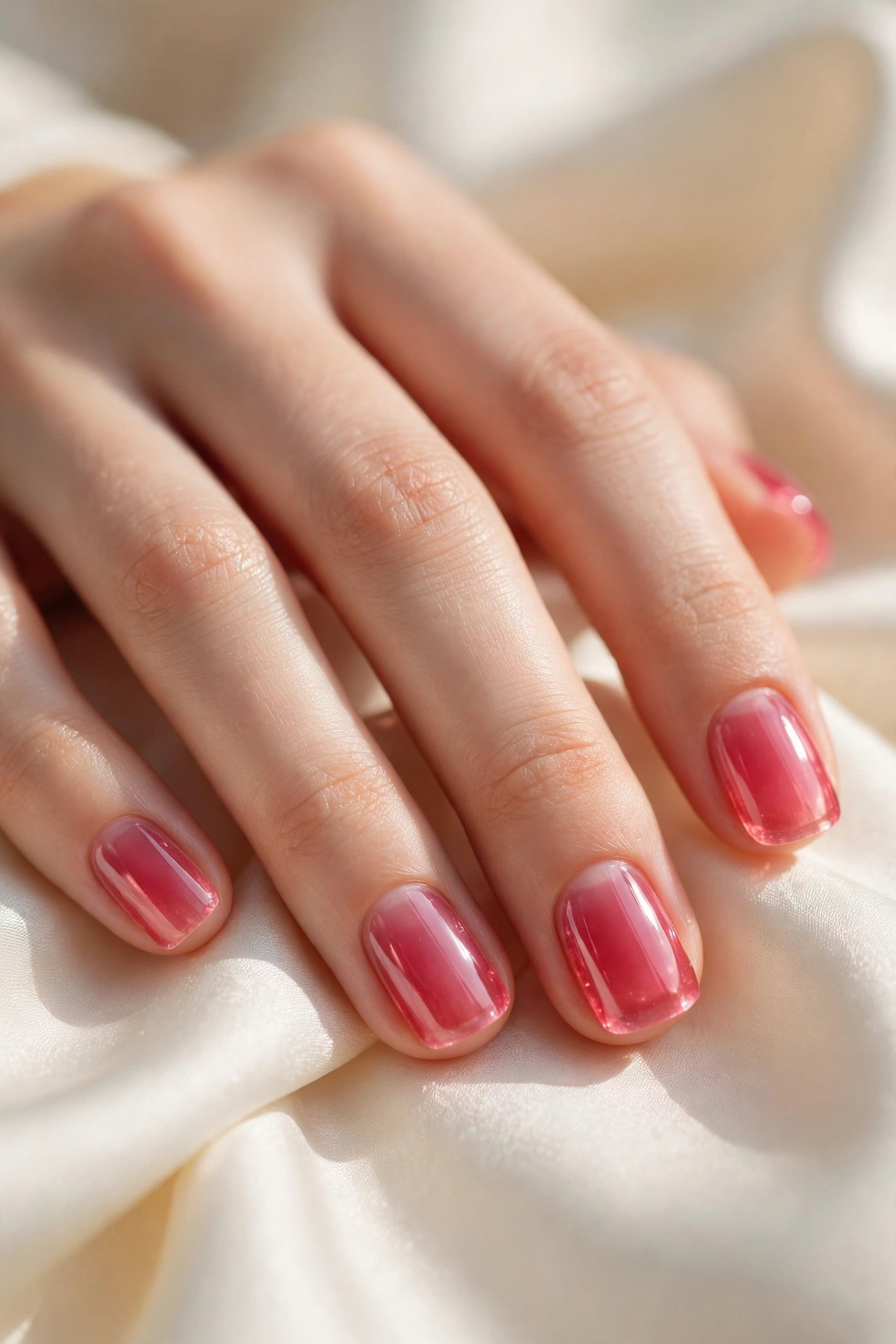
Yes — jelly nails work beautifully on short nails, and many nail artists consider short shapes ideal for the finish. Because jelly is sheer, it does not visually shorten the nail the way dark opaque polish can; the translucency lets the natural nail show through, which keeps short nails looking neat rather than stubby. Short squoval and short almond are the two shapes to ask for: squoval gives a clean, modern edge, while a short almond softens the fingertip and adds a little length illusion.
Longer lengths have their own advantage: the more free edge you have, the more dramatic the light-passing-through effect becomes, especially with deeper shades like black cherry. Medium almond is the sweet spot if you want both elegance and that signature glow at the tips. Whatever your length, keep the shape tidy — jelly’s transparency means uneven edges and ragged cuticles are more visible than they would be under opaque polish, so neat prep matters more here than with most finishes.
Who suits jelly nails best?
Jelly nails suit everyone, because translucency adapts to the wearer — but the shade choice should follow your skin tone. The sheer finish is inherently forgiving: unlike opaque color, it blends with what is underneath instead of sitting on top of it. That said, a little strategy goes a long way. Fair skin glows in cherry red, milky nude, and soft matcha; the translucency keeps deep shades from overwhelming paler hands. Medium and olive skin tones look stunning in cola brown, black cherry, and warm ambers — the warmth of the jelly echoes golden undertones. Deep skin tones carry jewel-tone jellies beautifully: burgundy, oxblood, and black cherry create gorgeous contrast while the sheer finish keeps the look refined rather than heavy.
Beyond skin tone, think about lifestyle. Jelly is a strong choice if you type all day or work with your hands — the sheer finish disguises minor chips and tip wear far better than opaque polish, and regrowth is less obvious because there is no harsh line of color. It is also ideal for anyone growing out their nails: the translucent finish makes every length look intentional.
What about jelly French tips?
Jelly French tips replace the classic white tip with a soft, translucent fade — no harsh line, just a milky glow that melts into a sheer nude base. If traditional French feels too stark or too bridal for everyday wear, the jelly version is its modern update. The tip is built with sheer white or milky gel that stays see-through, so the whole nail keeps that lit-from-within quality. It is one of the most requested salon variations of the trend as of late 2026, and it works on every shape from short squoval to long almond.
Should you get jelly nails at the salon or do them yourself?
For the truest jelly effect, a salon gel application wins; for an easy trial, jelly-finish regular polish or press-ons are excellent. Here is the honest breakdown. At the salon, ask for jelly gel polish or a tinted builder gel in your chosen shade. A skilled tech will apply it in thin, even layers — usually two to three — which is what creates that depth without streakiness. Builder gel versions add strength, which is worth considering if your nails are thin or you want the manicure to last. Expect the appointment to take about the same time as a standard gel manicure.
At home, you have two realistic paths. Jelly-finish regular polishes are now widely available and genuinely good — apply two to three thin coats over a ridge-filling base coat and seal with a high-gloss top coat; the whole manicure takes under thirty minutes plus drying time. The finish will not be as glassy or as long-wearing as gel, but it is a faithful preview of the look. Jelly-finish press-ons are the other option, and they have improved enormously: the jelly effect is built into the product, so there is no skill involved at all, and they last one to two weeks with adhesive tabs or several weeks with nail glue.
One caution for the DIY route: jelly’s sheerness shows every flaw in application. Work in thin coats, let each layer dry fully, and do not flood the cuticles — translucent polish pooling at the cuticle line is the most common at-home mistake. If your first attempt looks streaky, that is normal; jelly formulas level out better on the second coat than the first.
How can you dress up jelly nails?
The easiest way to elevate jelly nails is to suspend something inside the translucency — gold foil flakes, micro-glitter, or tiny pearls sealed under the top coats. Because jelly is see-through, decoration placed within it looks embedded rather than stuck on, which reads far more luxurious than surface art. Gold foil in cherry jelly is the classic winter combination: festive, rich, and surprisingly wearable day to day. Micro-glitter suspended in a milky nude base gives a candlelit shimmer that is perfect for evening events.

Jelly also layers beautifully with the season’s other finishes. A whisper of pearl chrome powder over a jelly base gives you the glazed effect without losing the translucency. And if you love the holiday party nail trends for 2026, jelly makes an ideal base for the season’s embellished looks — the sheer color keeps even a decorated nail feeling light. For occasion styling ideas, our winter nail trends roundup shows how sheer finishes sit within the broader cold-weather palette.
How long do jelly nails last, and how do you remove them?
Gel jelly manicures last two to three weeks; regular-polish jelly lasts about a week; press-ons last one to three weeks depending on application. Wear time follows the product, not the finish — jelly gel behaves like any gel manicure. The advantage jelly has is cosmetic: because the color is sheer, chips and regrowth are less visible, so the manicure looks presentable for longer even as it ages.
Removal follows the same rules as the underlying product. Gel jelly comes off with the standard gel removal process — file the top coat, soak in acetone with foil wraps, and gently push off the softened product. Never peel or force it; the translucency will not protect your nail plate from the damage of peeling. Regular-polish jelly removes with ordinary remover. Press-ons lift off with warm soapy water or an oil soak. Between manicures, keep cuticle oil in rotation — well-hydrated cuticles matter even more with sheer finishes, since dryness is fully visible through the translucency.
What if jelly nails are not for you?
If full jelly feels like too much, try sheer tints or lip-gloss nails — the same translucent family, dialed down. Sheer tints are jelly’s subtlest cousin: barely-there washes of color that read as “my nails but better” and suit the most conservative settings. Lip-gloss nails take the milky nude jelly idea to its extreme — an ultra-sheer, ultra-glossy nude that looks like clear gloss with a hint of warmth. Both give you the light-catching, healthy-nail effect without committing to visible color.
On the other end, if you love the idea of translucency but want more drama, look at encapsulated designs — glitter, foil, or tiny details sealed inside clear or jelly gel — or revisit the glass nails trend for maximum shine with minimum color. And if you simply want to browse the look before committing, our nail inspiration gallery has a full collection of translucent and sheer manicures to save for your next appointment.

The verdict: is jelly the winter 2026 manicure to try?
Yes — with one condition: choose your shade for the season. Jelly nails earn their place this winter not as a novelty but as a genuinely flattering way to wear color in the colder months. The translucency softens deep shades that would feel heavy opaque, disguises the wear and tear of real life, and suits every nail length from short squoval to long almond. Cherry and black cherry are the defining shades of the moment; milky nude is the safe luxury pick; matcha and cola are for those who like their trends with personality.
Book the salon appointment if you want the glassiest, longest-lasting version, or pick up a jelly-finish polish for a weekend trial — either way, you will understand the appeal the first time light passes through your fingertips. Save this guide, pick your shade, and enjoy the prettiest kind of transparency.