
TL;DR — Baby Boomer Nails in 30 Seconds
- What: Baby boomer nails are a French manicure reimagined — instead of a hard white tip, sheer pink melts seamlessly into soft white.
- Why 2026 loves them: They grow out gracefully, suit every nail length, and read polished without trying too hard.
- Best shapes: Almond and oval flatter the fade most; square and coffin wear it more dramatically.
- Longevity: Gel or acrylic baby boomers last 3–4 weeks; regular polish versions last about a week.
- Standouts below: Winter white, pearl-chrome glaze, micro boomer for short nails, and a wedding-day version with pearls and gold foil.
There is a particular kind of manicure that never seems to date. It does not chase a season, it does not demand a dress code, and it photographs beautifully whether you are holding a coffee cup or a wedding bouquet. Baby boomer nails are exactly that manicure — the soft-focus cousin of the French tip, and quietly one of the most requested salon finishes of the last decade.
If the name sounds odd for something so elegant, it is. The style is said to have been named after the baby boomer generation, whose women favored a groomed, understated look. Whatever the origin, the effect is unmistakable: a seamless blush of pink at the base dissolving into milky white at the free edge, with no visible line between them.
This guide collects fifteen genuinely distinct ways to wear it in 2026 — from the purist classic to winter whites, pearl glazes, colored fades, and a bridal version worth saving. Each design includes honest notes on the shapes it suits, the finish to ask for, the difficulty level, and the kind of person who will love it most.
What are baby boomer nails? Baby boomer nails are a French ombré manicure: sheer pink or nude polish near the cuticle that fades seamlessly into soft white at the tip, with no hard smile line. They are usually built in gel or acrylic so the gradient can be sponged or airbrushed smoothly, though press-ons and regular polish versions exist.
Baby Boomer vs Classic French vs Ombré: Which Should You Choose?
Baby boomer nails sit between two familiar manicures, and knowing the difference helps you ask for exactly what you want. A classic French has a crisp white tip with a hard line; a baby boomer replaces that line with a soft gradient. A fashion ombré can blend any two colors; a baby boomer is specifically the pink-to-white fade in French-manicure territory.
| Feature | Baby Boomer | Classic French | Color Ombré |
|---|---|---|---|
| Tip edge | Soft, diffused — no visible line | Crisp white smile line | Blended, any color pairing |
| Mood | Romantic, understated luxury | Crisp, traditional, polished | Playful to dramatic |
| Grow-out | Very forgiving — regrowth blends in | Noticeable after 2 weeks | Depends on base color |
| Best for | Weddings, work, everyday elegance | Formal events, classic styling | Statement looks, seasonal color |
| DIY difficulty | Medium — the blend takes practice | Medium — the line must be steady | Easy to medium with a sponge |
If you are torn between the two French styles, our French tip methods guide breaks down the techniques side by side, so you can see which finish matches your skill level and your patience.
How Long Do Baby Boomer Nails Last?
Short answer: In gel or acrylic, a baby boomer set lasts three to four weeks with proper aftercare; in regular polish, expect five to seven days before the tips show wear. The fade itself is forgiving — because there is no hard line, regrowth and minor tip wear are far less visible than on a classic French.
Longevity comes down to three things: the medium (gel outlasts regular polish by weeks), the application (a salon fade laid over a structured base holds better than a rushed sponge job), and how you treat your hands. Gloves for dishes, cuticle oil nightly, and no using nails as tools — the usual rules apply, and they matter more for a light-colored manicure that shows every chip.
Which Nail Shape Suits Baby Boomer Nails Best?
Almond and oval shapes are the natural home of the baby boomer. The tapered silhouette gives the gradient room to stretch, which is exactly what makes the fade look seamless rather than abrupt. Medium to long almond is the combination salons photograph most, and it is no accident.
That said, the fade is remarkably democratic. Square nails wear it with a modern, graphic edge; coffin shapes turn it dramatic; and very short nails get their own dedicated version below (the micro boomer). If you are still deciding on a silhouette, our nail shapes guide walks through round, oval, squoval and almond with photos, so you can match the shape to your hands before you commit to the fade.
Now — the fifteen designs.
1. The Classic: Nude-to-White Soft Fade

Shape and length: Short to medium, rounded square or soft oval. This is the version that works on real-life hands — the kind that type, cook, and carry groceries.
Color and finish: A warm nude pink at the base fading into milky white, sealed with a high-gloss top coat. Ask your tech for a sheer cover pink rather than an opaque one; sheerness is what makes the blend believable.
Difficulty: Easy at the salon, medium at home. The fade is sponged or airbrushed, so a steady hand matters less than patience.
Why choose it: Because it goes with everything and offends nothing. It is the manicure equivalent of a perfect white shirt — job interviews, first dates, family dinners, all covered. If you have never tried a baby boomer, start here.
2. Long Almond Sculpted Fade

Shape and length: Long almond, sculpted or on tips. The taper is the point: it elongates the fade and makes fingers look impossibly graceful.
Color and finish: Sheer peachy-pink base to soft white tips, high gloss. On long nails, a slightly warmer pink keeps the look from washing out.
Difficulty: Medium to hard. Long almond needs structure — this is a salon job, ideally with a tech who builds the apex properly so the nails do not snap at stress points.
Why choose it: For the full editorial effect. This is the baby boomer you save for occasions, evenings out, and the photos you will actually keep. It reads expensive from across a room.
3. Modern Square Soft Fade
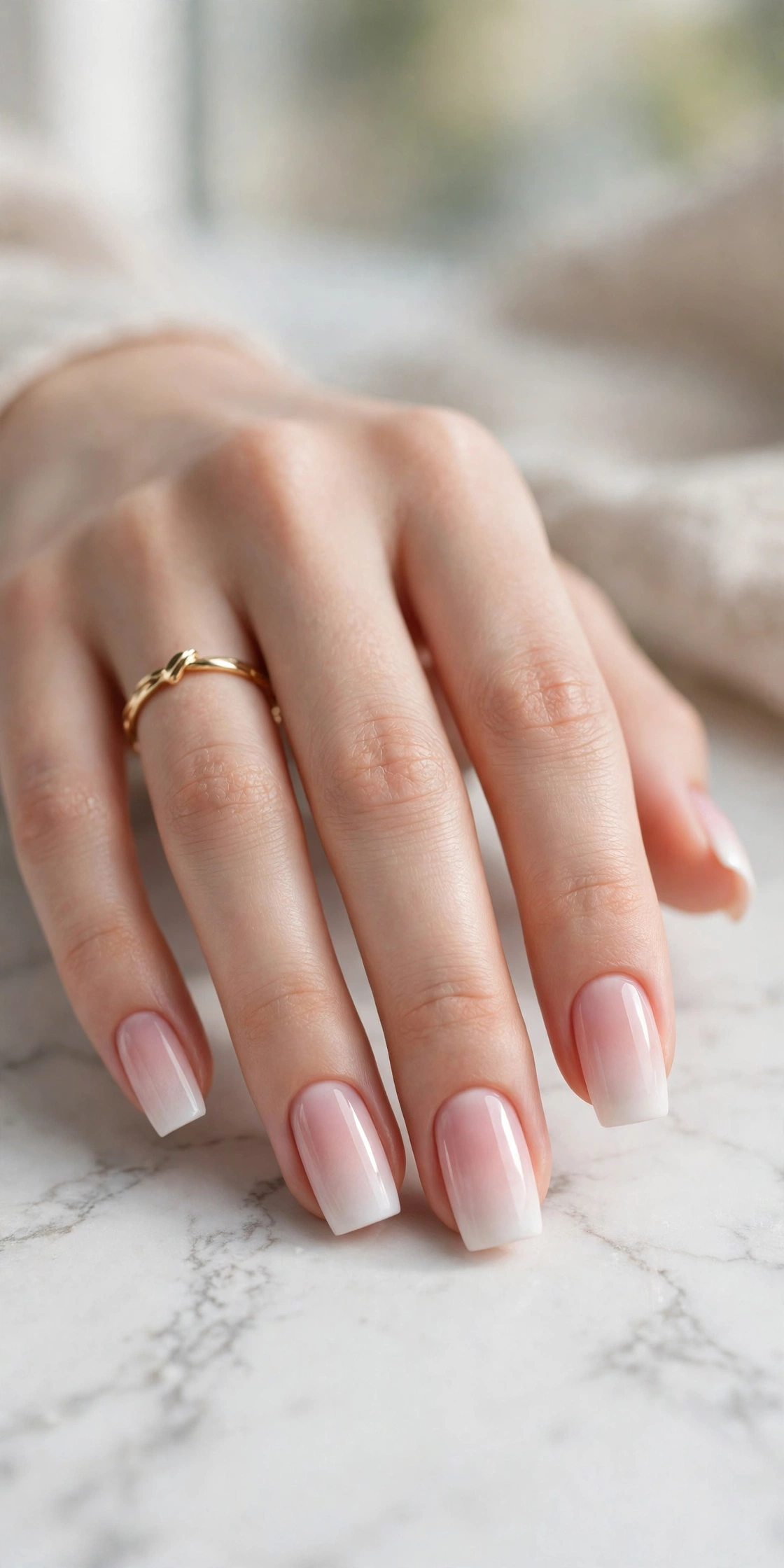
Shape and length: Medium square with crisp, straight free edges. The geometry contrasts beautifully with the softness of the gradient.
Color and finish: Pale blush pink to white, glossy. Keep the white tip modest — on square nails, too much white reads retro in a way you may not want.
Difficulty: Medium. Square corners chip first, so the structure and a good seal at the free edge matter.
Why choose it: If almond feels too romantic for your style, square toughens the baby boomer up. It suits minimal wardrobes, clean jewelry, and anyone whose aesthetic leans architectural rather than dreamy.
4. Dramatic Coffin Baby Boomer

Shape and length: Long coffin (ballerina). This is the boldest canvas on this list, and the fade earns its drama here.
Color and finish: Dusty rose at the base melting into bright white at the tapered tips, high shine. The stronger the base color, the more dramatic the contrast — ask for a rose with real pigment.
Difficulty: Hard. Long coffin requires a skilled builder; the shape is unforgiving of weak structure. Budget for a proper salon appointment and a fill schedule.
Why choose it: Because you want the softness of the baby boomer with the presence of a statement nail. Evening events, milestone birthdays, the kind of night where your hands end up in photos.
5. The Micro Boomer for Short Nails
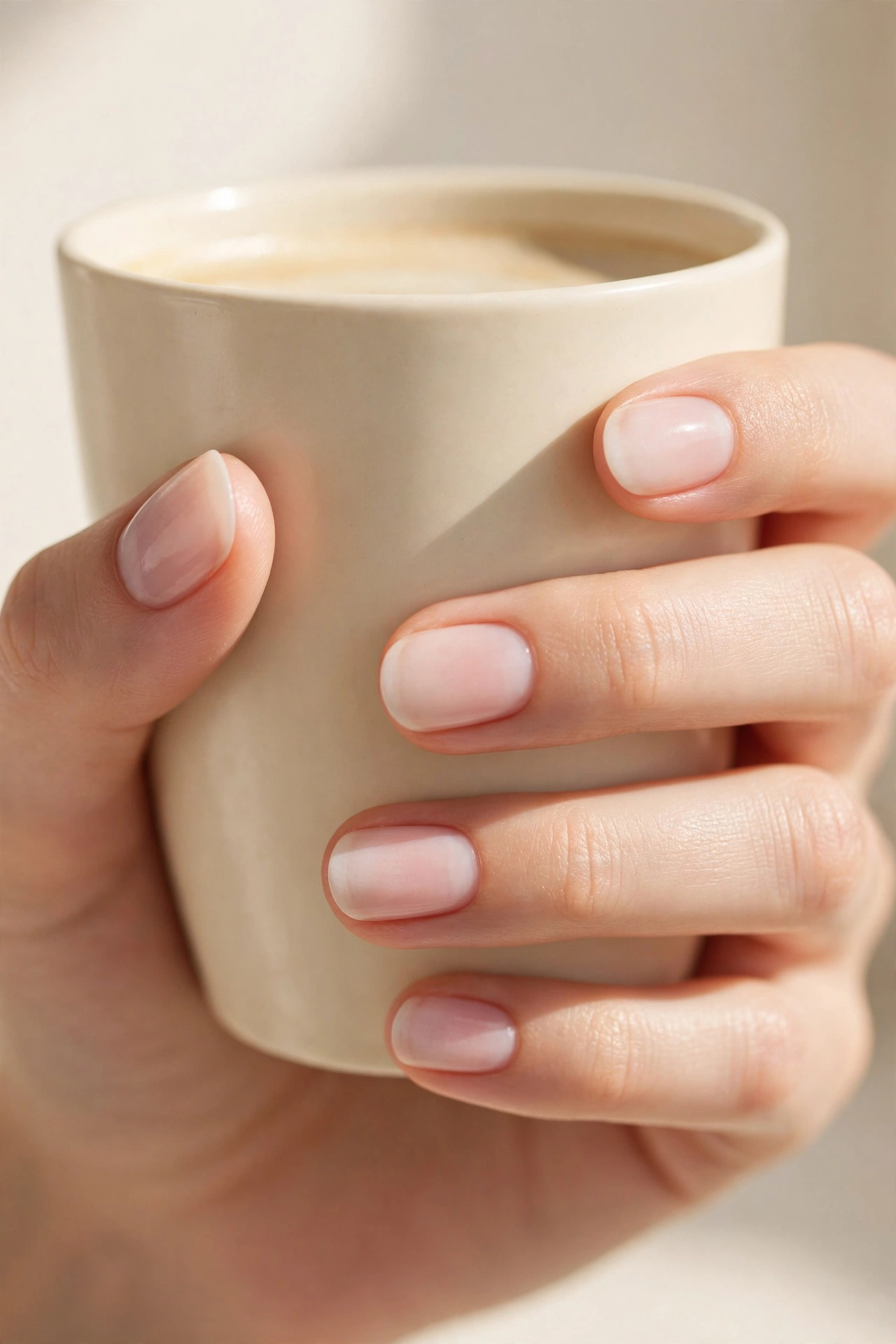
Shape and length: Very short, natural oval or rounded. Even barely-there length can carry this; the fade simply compresses.
Color and finish: Sheer pink to the faintest suggestion of white at the tip. On short nails, restraint is everything — too much white and the nail looks stubby rather than polished.
Difficulty: Easy. Short natural nails are the most forgiving canvas, and this is the most achievable at-home version of the baby boomer.
Why choose it: For anyone who keeps nails short for work, sport, or preference but still wants that groomed, finished look. It is also the kindest option for nail-biters growing their nails out — it celebrates short.
6. Whisper Glitter Fade

Shape and length: Medium almond or oval. The almond taper catches light along the glitter, which is half the pleasure.
Color and finish: Classic nude-to-white fade with fine silver-and-gold micro glitter pressed into the white zone, glossy top coat. Keep the glitter fine — chunky glitter turns this into a different manicure entirely.
Difficulty: Medium. Glitter placement is the fiddly part; too much and you lose the softness, too little and it disappears.
Why choose it: For the holiday season, New Year’s Eve, or any evening that calls for a little light. It is the easiest way to make a baby boomer feel festive without changing its character.
7. Pearl Chrome Glaze Over Boomer
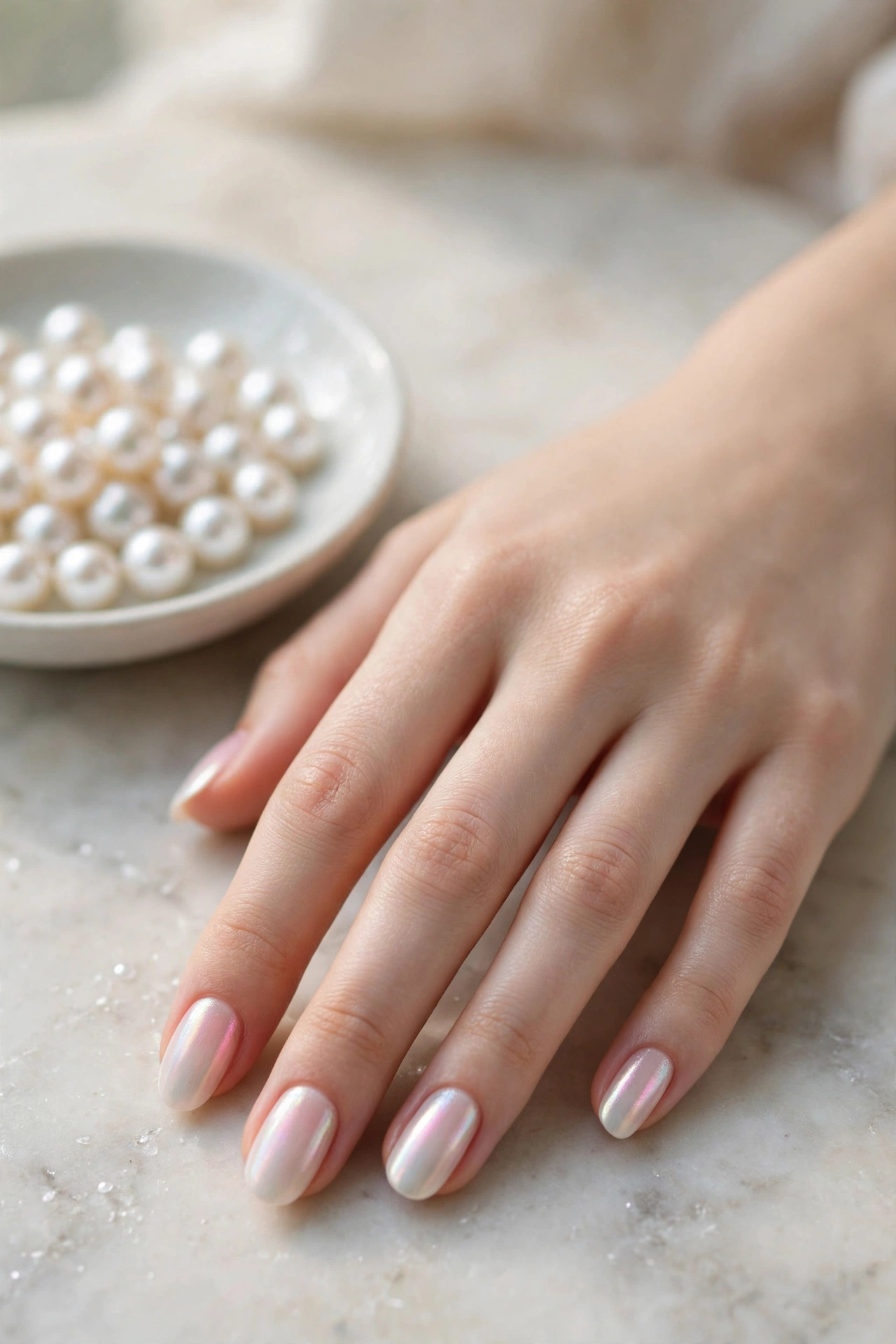
Shape and length: Medium almond or oval. The chrome glaze loves a smooth, curved surface.
Color and finish: A standard baby boomer fade, then a pearl chrome powder burnished over the top and sealed. The result is opalescent — pink, white, and the faintest rainbow shift as your hand moves.
Difficulty: Medium to hard. Chrome powder application is a salon skill; at home it tends to go patchy. Make sure your tech seals it well, or the mirror effect dulls within days.
Why choose it: It is the 2026 update to a beloved classic — all the wearability of the fade with the light-catching finish everyone is asking for. If you loved the glazed trend but found it too plain alone, this is your middle ground.
8. Reverse Ombré: White Melting Into Blush
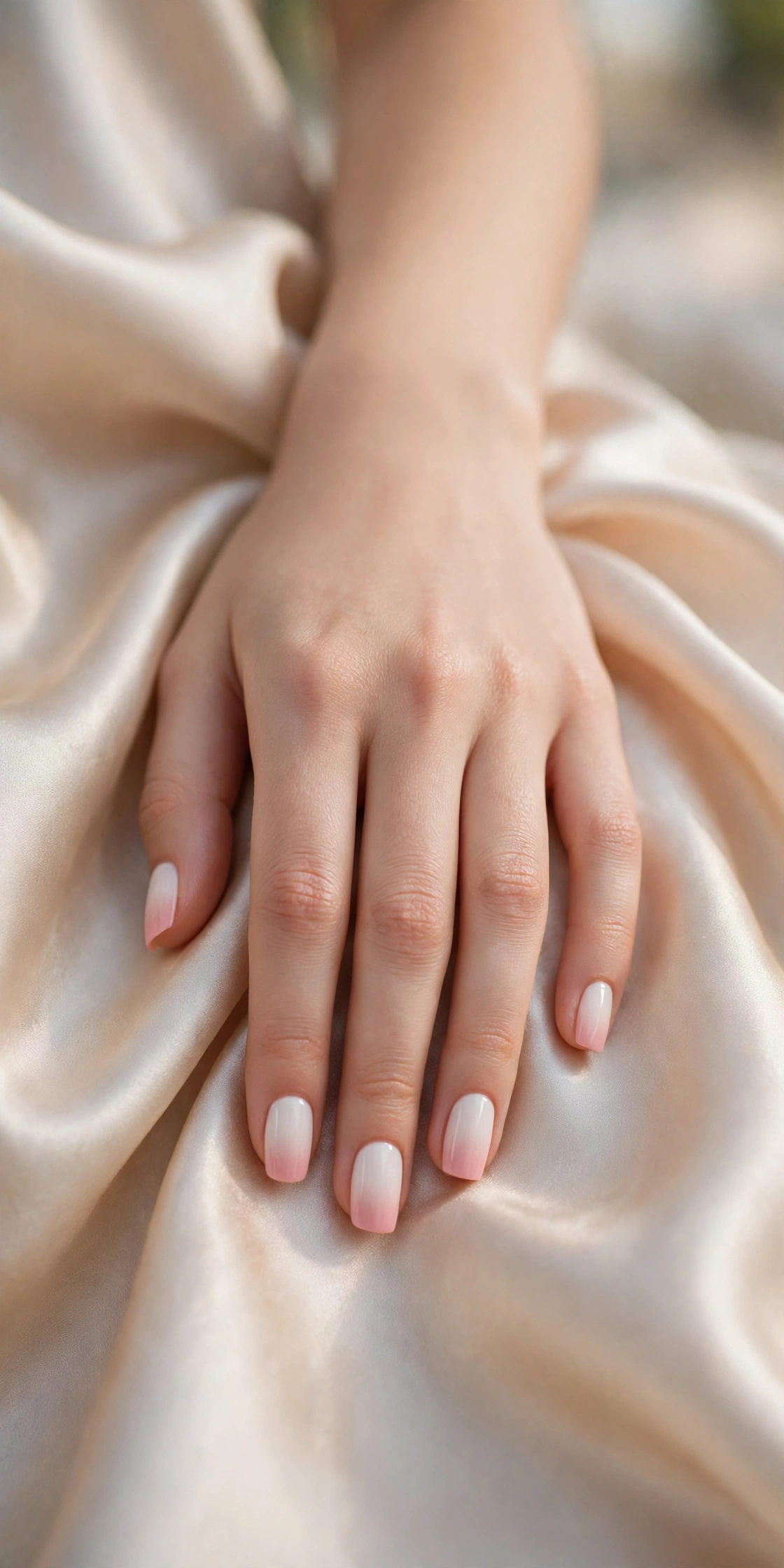
Shape and length: Medium square or almond. The reversed gradient needs a little length to read clearly.
Color and finish: Milky white near the cuticle fading into soft blush pink at the free edge, glossy. It is the same palette as the classic, worn backwards.
Difficulty: Medium. Same technique as the classic, just reversed — your tech will not blink.
Why choose it: For the woman who has worn the classic for years and wants a quiet twist. From a distance it still reads as a soft neutral; up close, it is clearly something considered. A lovely option for spring, when pink tips feel exactly right.
9. Matte Velvet Baby Boomer
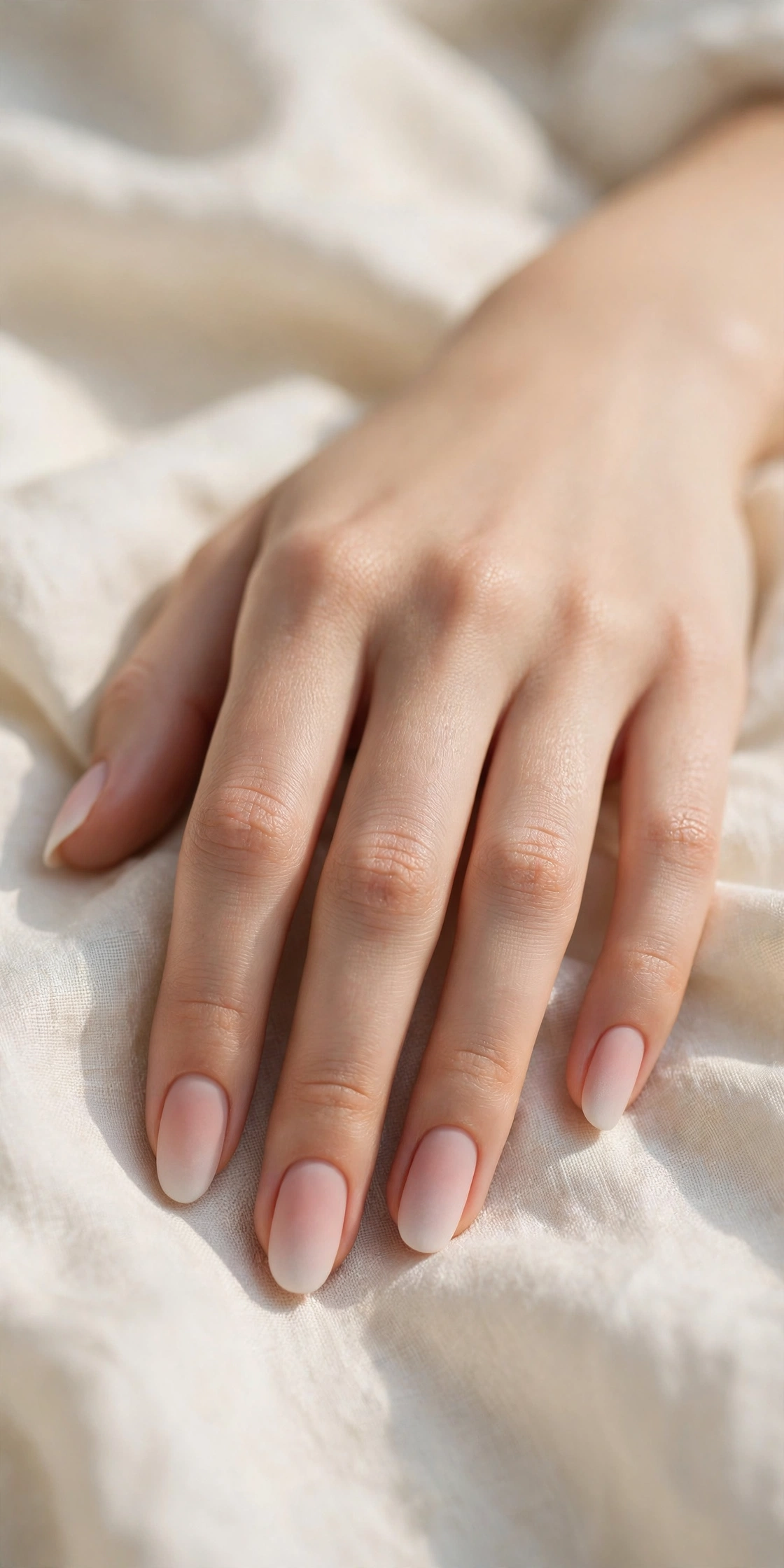
Shape and length: Medium almond. Matte finishes emphasize shape, so a clean, even almond is worth the effort.
Color and finish: Muted rose-pink to chalk white, sealed with a matte top coat. Matte mutes the colors slightly, so ask for a touch more pigment than you think you need.
Difficulty: Medium. Any good baby boomer plus a quality matte top coat — the trick is a truly even matte seal with no shiny patches.
Why choose it: If gloss feels too “done” for your taste, matte is the sophisticated alternative. It photographs beautifully, feels contemporary, and pairs gorgeously with wool coats and cashmere in the colder months. Note: matte shows oils and marks faster, so keep a matte top coat at home for touch-ups.
10. Winter White Baby Boomer
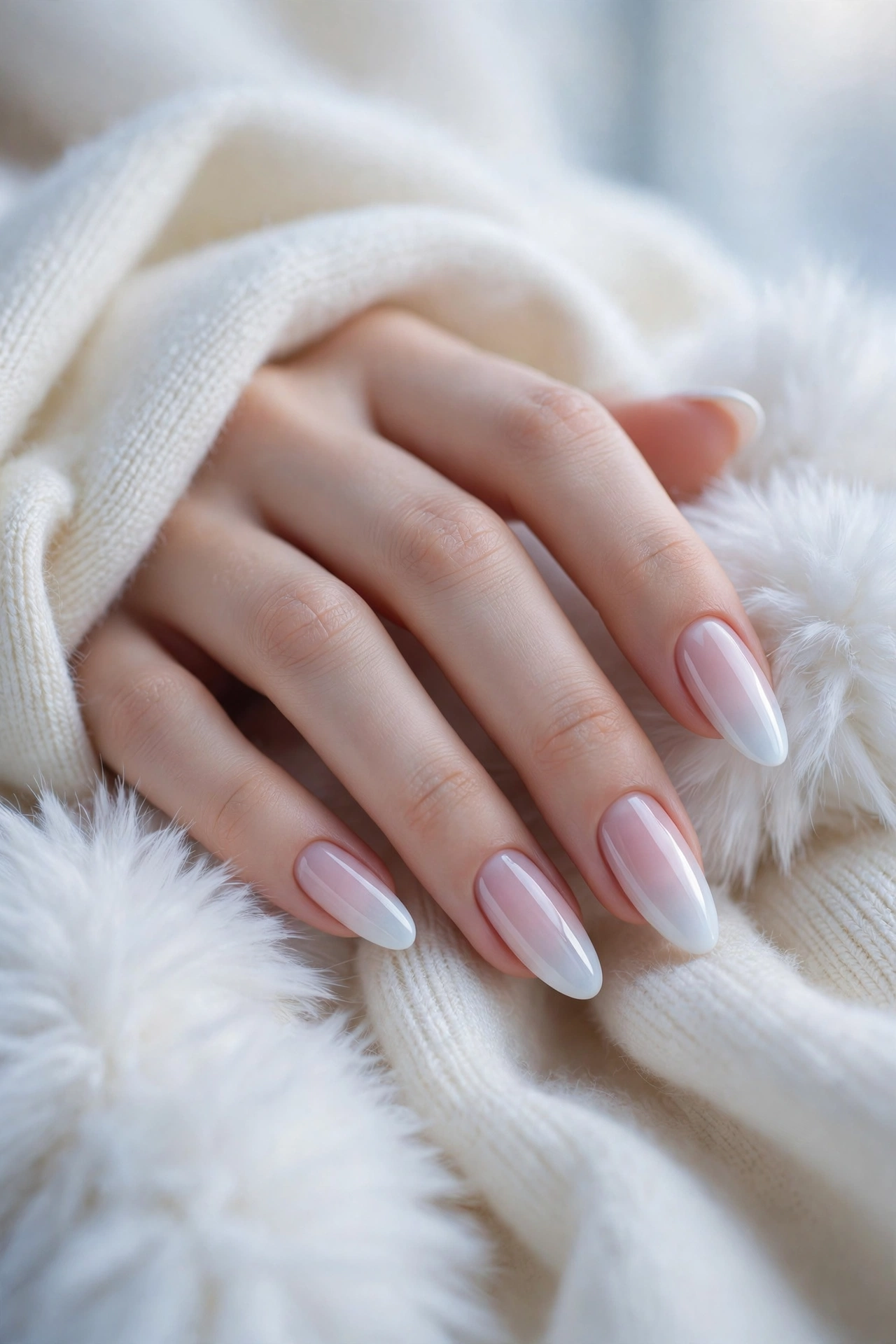
Shape and length: Long almond. Length sells the winter drama; short nails cannot carry this much white contrast.
Color and finish: Icy bright white tips fading into a pale, cool-toned pink base, glassy shine. The base should lean cool — a warm pink fights the frosty effect.
Difficulty: Medium to hard. The high contrast between bright white and the base makes any unevenness in the blend visible, so this demands a confident fade.
Why choose it: For the festive season and deep winter. It echoes snow, candlelight, and champagne — and it is striking against dark winter wardrobes. If your December calendar is full, this is the version to book.
11. Lilac Mist Baby Boomer
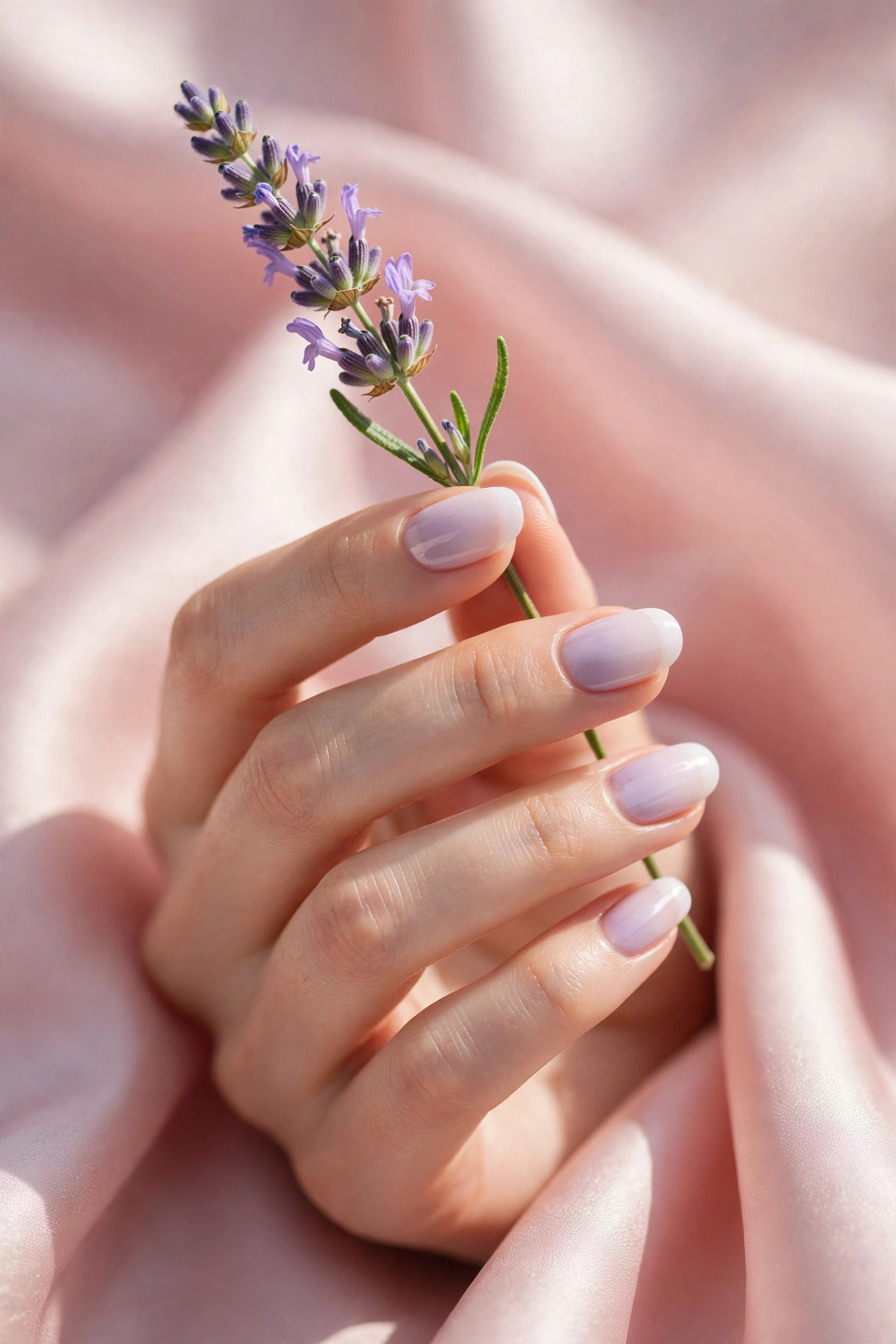
Shape and length: Medium almond. The curved silhouette keeps the pastel from feeling flat.
Color and finish: Pale lavender base fading to white tips, glossy. Choose a lavender with grey in it rather than a candy purple — the muted version is what keeps this elegant.
Difficulty: Medium. Same technique as the classic; the only skill is in color choice.
Why choose it: For spring, or for anyone whose wardrobe runs cool. Lilac is the colored boomer that still reads neutral from a few feet away — a gentle way to wear color without committing to it.
12. Peach Cloud Baby Boomer
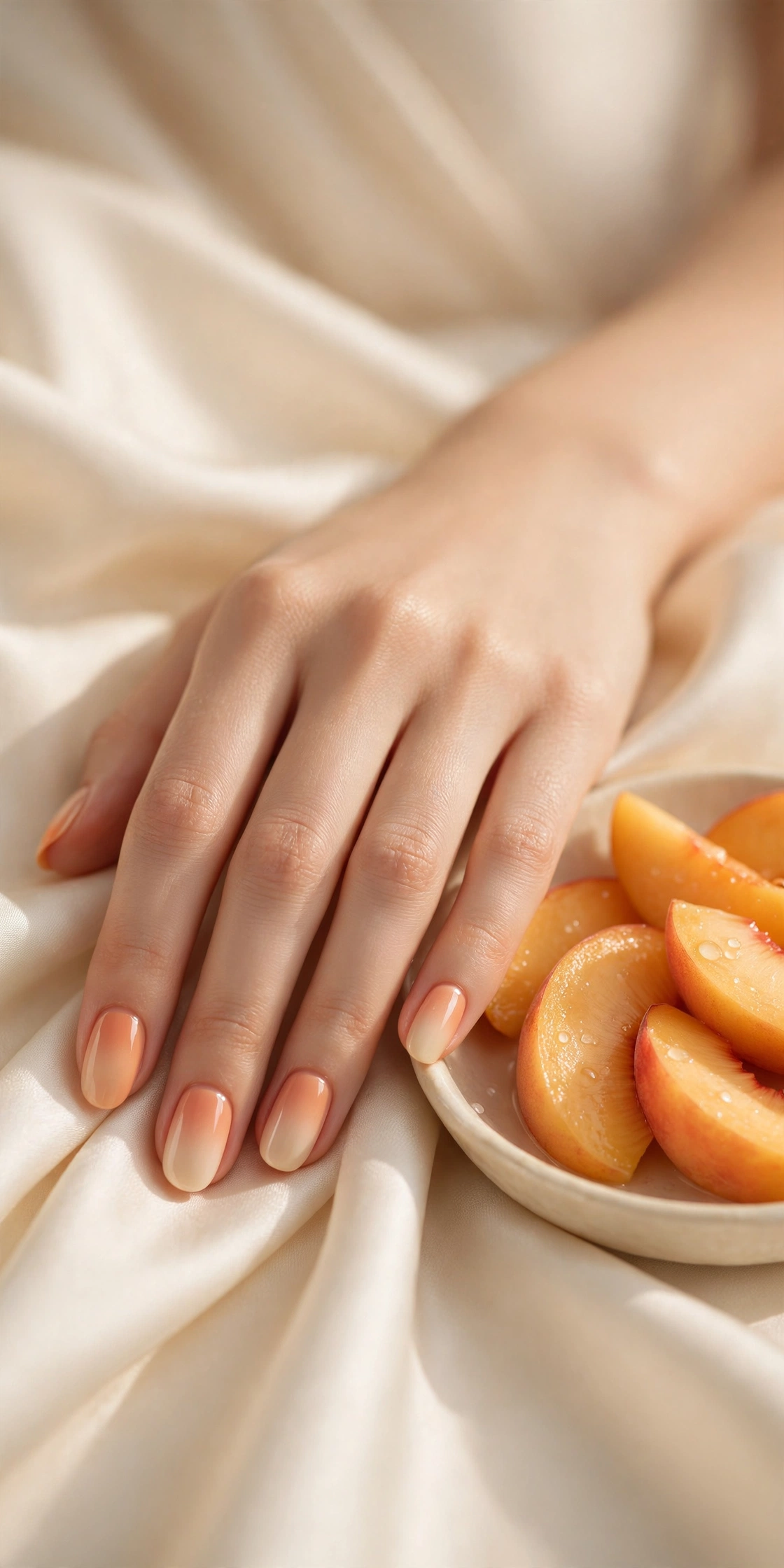
Shape and length: Medium oval. The rounded shape suits the warmth of the palette.
Color and finish: Warm peach fading into cream-white, juicy gloss. This is the friendliest colored boomer — it flatters warm and golden skin tones especially well.
Difficulty: Medium. Peaches can go neon if the pigment is wrong; ask for a pastel, milky peach.
Why choose it: For summer and for warmth. If pink feels too expected and you want something with a little more personality, peach is the answer. It looks particularly lovely against a tan and with gold jewelry.
13. Blue-Grey Mist Baby Boomer
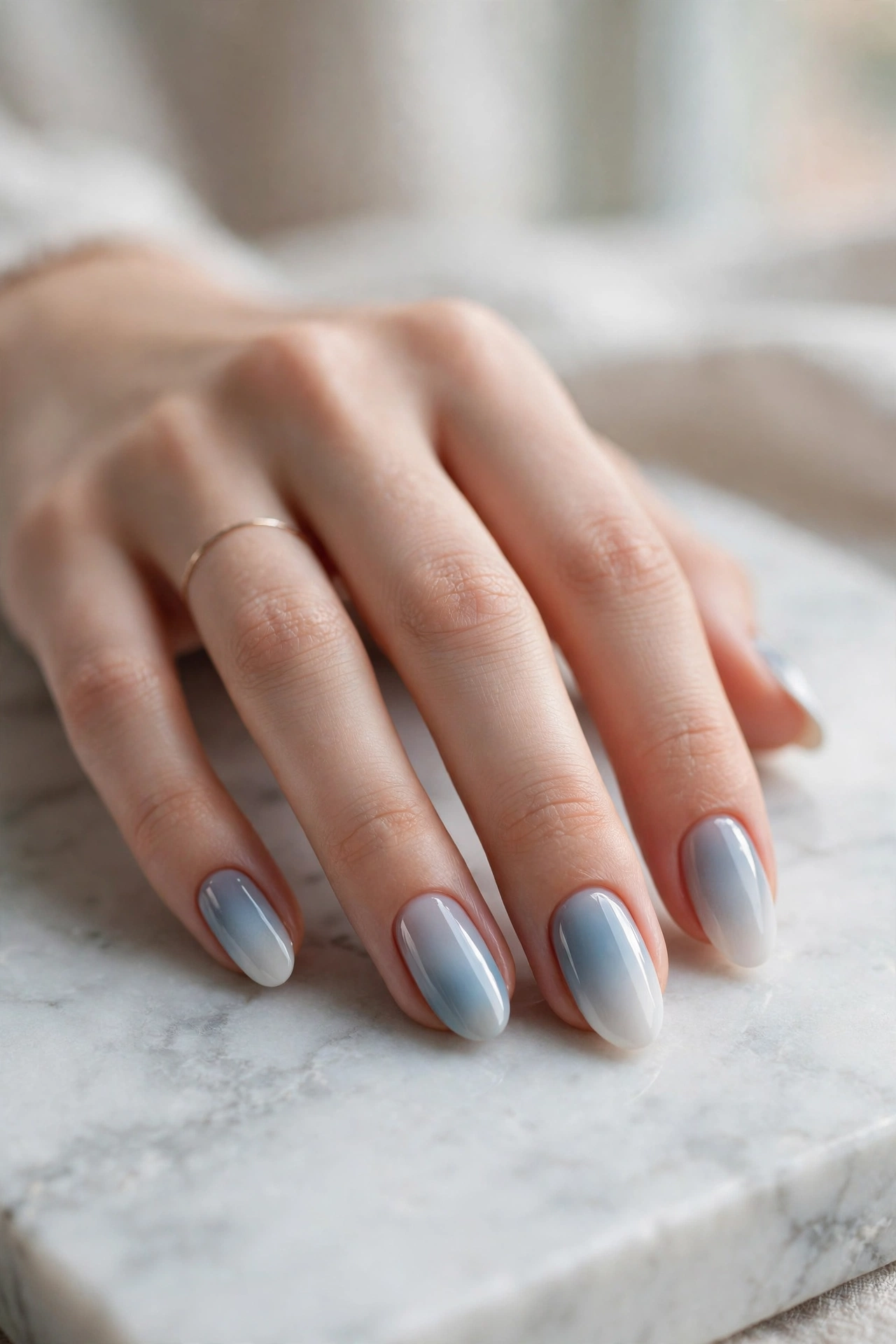
Shape and length: Medium almond. The shape keeps the cool tone from feeling severe.
Color and finish: Smoky pastel blue-grey at the base fading to white tips, glossy. The key is the grey undertone — without it, the blue reads juvenile; with it, it reads editorial.
Difficulty: Medium to hard. Cool pastels show patchiness more than warm ones, so the blend must be genuinely smooth.
Why choose it: For the fashion-minded. This is the boomer that gets asked about — it pairs beautifully with silver jewelry, grey knits, and winter whites, and it is the most distinctive look on this list while still being wearable daily.
14. Fine Line Art Over the Fade

Shape and length: Medium almond or oval. The line needs a clean, uncluttered nail bed to sit on.
Color and finish: A classic nude-to-white fade, glossy, with one delicate thin gold arc drawn just above each cuticle. Some techs use metallic striping polish; the steadiest use a fine liner brush.
Difficulty: Hard at the salon’s art level, though the fade itself is standard. The line is the whole design — it must be confident and even, or it looks like a mistake.
Why choose it: For minimalists who still want a detail. From across the table it reads as a classic boomer; up close, the gold line reveals itself like a secret. It is also a beautiful way to refresh a grown-out set without starting over.
15. The Wedding-Day Baby Boomer

Shape and length: Long almond. Bridal nails are traditionally photographed at close range, and length photographs best.
Color and finish: The classic nude-to-white fade, high gloss, with tiny white pearls placed on two accent nails and whisper-thin gold foil flakes scattered near the cuticles. Restraint is the luxury here — a few flakes, not a foil manicure.
Difficulty: Hard. Between the fade, the pearl placement, and the foil, this is a full bridal appointment — book it, do not squeeze it in.
Why choose it: Because it is the rare bridal nail that is both timeless in photos and interesting in person. The pearls catch the light during the ring exchange; the gold foil echoes wedding jewelry. For more on planning the whole bridal look, our bridal nails planning guide covers timing, trials, and day-of touch-ups.
How to Ask Your Nail Tech for Baby Boomer Nails
Salons know this style under several names — “baby boomer,” “French ombré,” or “French fade.” Bring a photo from this guide (the design number helps), and be specific about three things: the base color you want (sheer pink, nude, or a colored variant), how bright you want the white tips, and the shape and length. A good tech will also ask about your lifestyle — long coffin is a commitment, and an honest tech will say so.
One practical note: ask whether the fade will be sponged, airbrushed, or done with an ombré brush. All three work; airbrushing gives the softest blend, sponging is the most common, and a skilled brush fade has the most control. There is no wrong answer, only a difference in finish.
Keeping the Fade Fresh: Aftercare That Actually Matters
Light manicures show wear, so aftercare is not optional. Cuticle oil every night keeps the skin around the fade supple and prevents the lifting that starts at the cuticle. A fresh layer of top coat every three to four days revives the gloss and adds a surprising amount of chip protection. And the least glamorous advice is the most effective: wear gloves for cleaning and dishes, because household chemicals are the fastest way to dull a pale manicure.
Baby Boomer Nails: Frequently Asked Questions
What is the difference between baby boomer and French ombré nails?
They are essentially the same thing. “Baby boomer” and “French ombré” both describe a sheer pink base fading seamlessly into soft white tips. “Baby boomer” is the traditional salon name, while “French ombré” is the more descriptive modern term. If your salon uses one name and not the other, a reference photo clears up any confusion instantly.
How long do baby boomer nails last?
In gel or acrylic, a baby boomer set lasts three to four weeks with sensible aftercare — cuticle oil nightly and gloves for housework. Regular-polish versions last five to seven days. The soft gradient hides regrowth and minor tip wear better than a classic French, so the manicure looks presentable for longer even as it ages.
Can you do baby boomer nails at home?
Yes, with practice. The most reliable at-home method uses a makeup sponge: paint stripes of pink and white on the sponge and dab them onto the nail, building the fade in thin layers. It takes longer than a salon airbrush and the blend is softer rather than perfect, but on short to medium nails the result is genuinely pretty.
Do baby boomer nails suit short nails?
Absolutely — the micro baby boomer (design 5 above) is made for short nails. Keep the white minimal and the pink sheer so the nail does not look stubby. Short almond or rounded shapes carry the fade best, and the forgiving gradient means short sets grow out gracefully without an obvious regrowth line.
Are baby boomer nails still in style in 2026?
Yes. The baby boomer has outlasted most nail trends because it is a finish rather than a fad — like a red lip, it adapts to every season through small updates (winter white, pearl chrome, colored fades). Brides and professionals keep it in constant demand, and salons report it as a steady request year after year.
How much do baby boomer nails cost at a salon?
Prices vary by region, but expect to pay roughly what a full gel or acrylic set costs at your salon, sometimes slightly more because the fade takes extra time. Intricate versions with chrome, pearls, or hand-painted details cost more. Always ask for the price of the specific design before the appointment starts.